Nuclear Weapons Spending Soars

Carol Turner is chair of London CND
A recent report from ICAN, the International Campaign Against Nuclear Weapons, documents the exorbitant waste of public funds allocated to nuclear weapons programmes. Between 2021-25, nine nuclear weapons states spent $471 billion – almost half a trillion dollars – on maintaining and upgrading their nuclear arsenals. London CND Chair, Carol Turner reports.
Global spending on nukes is rising rapidly. It was up by $118.8bn in 2025, 19% more than 2024. But there is little if any democratic oversight or public scrutiny of this escalating element of military budgets, including Britain’s. Nuclear weapons programmes are always long-term projects. ICAN’s report also outlines nuclear developments over the next decade: ‘nuclear-armed states are currently planning to build new nuclear weapons systems that will be in operation through 2100.’
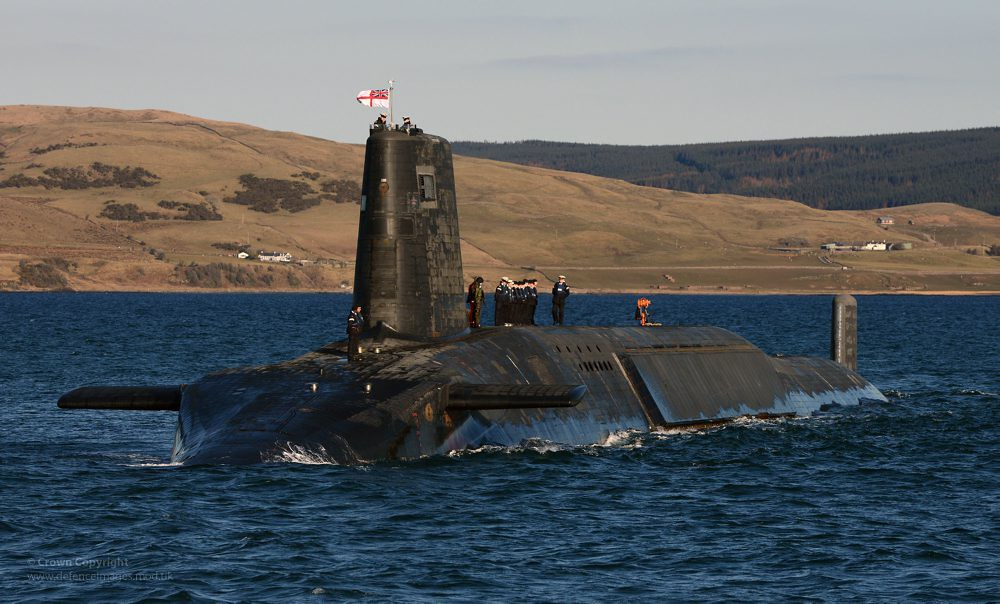
Britain overtook Russia to become the third highest spender in 2025.
Successive British governments spent $46bn on UK nuclear weapons between 2021-25. The UK’s nuclear weapons programme is expanding, and so is nuclear spending which now accounts for around 14% of the MoD’s budget. Britain overtook Russia to become the third highest spender in 2025. The government spent $12.6bn, an increase of 17%. This compares to Russia’s 6% increase to $9.5bn in 2025.
The United States has been the top nuclear weapons spender for almost 50 years, and remains so. It spends more than the combined amount of all other nuclear weapons states. US nuclear weapons programmes cost $69.2bn in 2025 – a rise of $12.4bn, 22% between 2024-25.
The increase in the US nuclear weapons budget was almost as much as the entire amount that China, the second highest spender, allocated to its nuclear weapons programme last year. From the highest nuclear spenders to the lowest, the nine nuclear weapons states are the US, China, UK, Russia, France, India, Pakistan, Israel, and North Korea.
The report in question is not simply a report on nuclear spending. It draws attention to how nuclear arms manufacturers are benefiting from increased spending by governments. Twenty five of these companies earned a minimum of $38bn in 2025, and hold at least $401bn worth of ongoing contracts according to ICAN estimates. These include BAE Systems, Rolls Royce Submarines, Lockheed Martin UK, a British subsidiary of the US aerospace giant, and Babcock International, all of which are involved in the UK’s Trident programme. ICAN also highlights the alternatives, illustrating how diplomacy, healthcare, education, and environment might benefit if governments redirected their nuclear spending to other projects.
The amount of public funds governments allocate to nuclear weapons programmes is a political choice like any other. A 21st century nuclear arms race is already underway. The peace and anti-war movement in Britain and internationally is right to raise the demand: Cut Warfare Not Welfare!
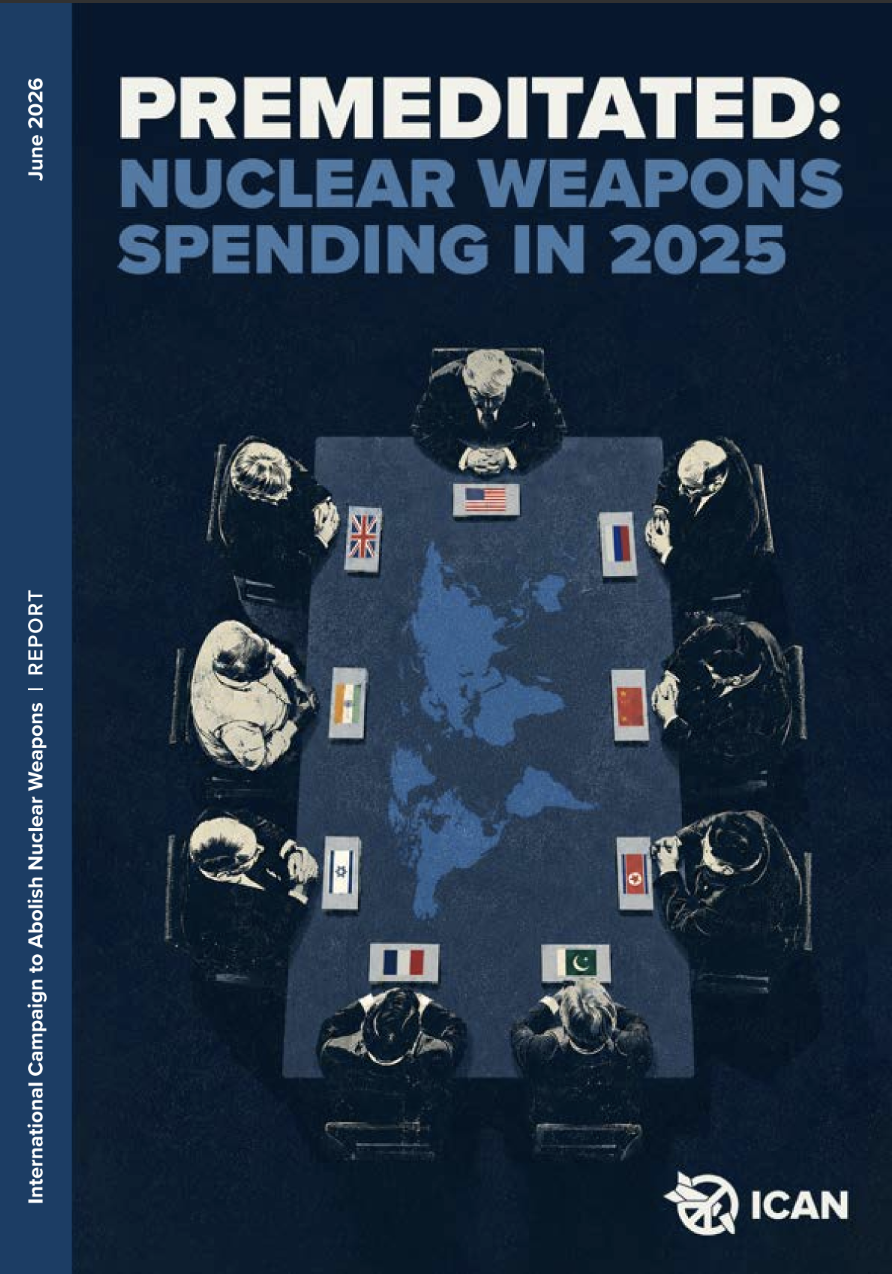
The report, Premeditated: Nuclear Weapons Spending in 2025 is available in full on the ICAN website.
See also CND’s press release, Britain overtakes Russia to become third largest nuclear weapons spender.